
HATHI, through its division Brand Wear India, is a leading supplier and manufacturer of high-quality apparel. We specialize in providing a diverse range of clothing, including Work Wear, Sports Wear, Uniforms, and School Wear, all crafted to meet int...
© 2020 HATHI. All Rights Reserved
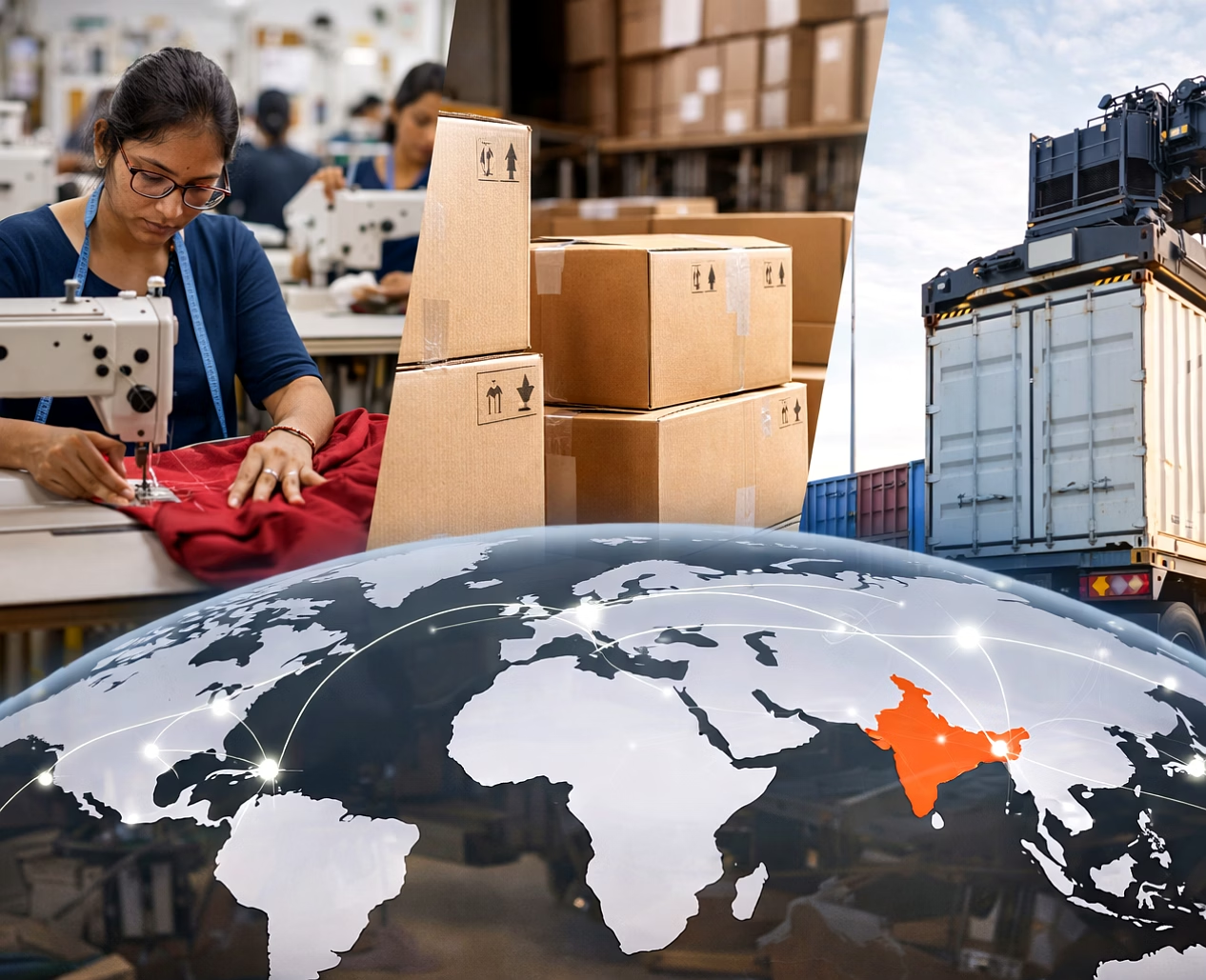
The export process is a structured sequence of steps that ensures products move efficiently from manufacturing to international buyers. At HATHI, through Brand Wear India, the export process is designed to support reliable global trade, clear documentation, and consistent delivery for B2B buyers. It connects sourcing, production, quality control, logistics, and compliance into a coordinated system that helps businesses manage international supply with confidence.
This category covers the export process as a complete workflow rather than a single activity. It includes sourcing coordination, production planning, quality checks, documentation, shipping, and delivery across international markets. These processes are typically used by distributors, importers, brands, and procurement teams that require structured export operations for bulk apparel supply.
The export process is used to ensure that goods are produced, documented, shipped, and delivered according to international trade requirements. It helps businesses manage cross-border transactions, maintain product quality, and ensure that shipments reach buyers without delays or compliance issues. This process is essential for companies operating in global markets where coordination between multiple stages is required.
Buying: Clear and reliable export workflow.
Comparing: Based on process transparency and coordination.
Learning: Understanding sourcing to delivery workflows.
Replenishing: Predictable timelines for ongoing supply.
Direct vs Distributor Supply
Standard vs Multi-country Docs
Small Consignment vs Bulk
Single vs Multi-supplier SCM
The export process is used by brands expanding into international markets, distributors importing bulk apparel, and organizations managing uniform programs across multiple regions. It is also relevant for exporters handling large-scale production and shipment coordination.
Buyers should evaluate export processes based on coordination, transparency, and reliability. Key considerations include the ability to manage documentation, ensure quality checks, and coordinate logistics efficiently.
The export process is closely linked to product sourcing, quality control, and logistics services. These functions work together to ensure smooth movement of goods from production to final delivery.
What is the export process?
The export process involves sourcing, production, quality checks, documentation, shipping, and delivery of goods to international buyers.
Why is the export process important?
It ensures that products are delivered efficiently and comply with international trade regulations, reducing delays and risks.
What documents are involved in exports?
Export documentation typically includes invoices, packing lists, shipping documents, and compliance-related paperwork.
What should buyers consider when choosing an export partner?
Buyers should consider process transparency, coordination ability, documentation handling, and reliability in delivery timelines.
Download cart items as a formal quotation
Step 1:
Add items to the Cart
Step 2:
Go to My Cart Page
Step 3:
Download Quotation